The Pantry Calendar: Why Michigan's Holiday Food Drives Need a February Answer
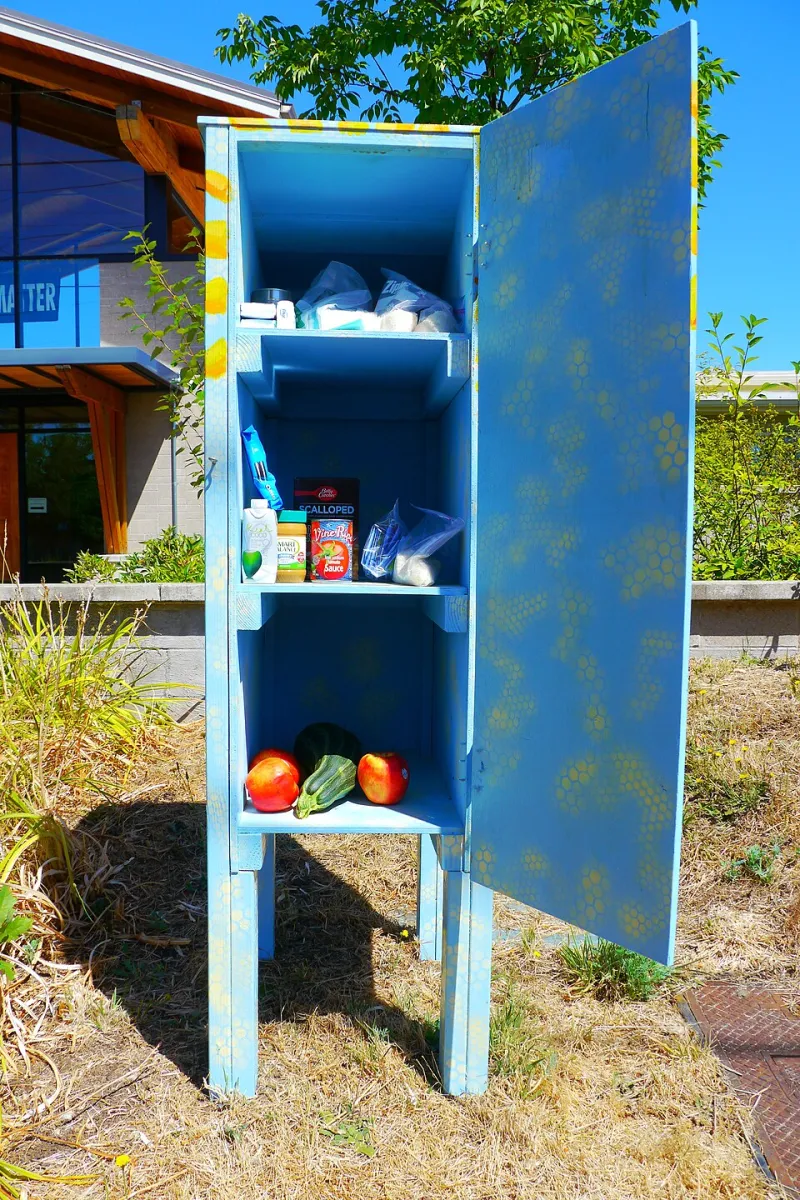
Photo: Rick Obst, CC BY 2.0, via Wikimedia Commons
On the first Sunday in December, the fellowship hall of a church pantry in central Michigan is crowded with boxes. Volunteers in fleece jackets sort canned goods, stuffing mix, and cranberry sauce. A Scout troop drops off a truckload of cereal. A dentist's office sends a pallet of peanut butter. The shelves look abundant. The calendar on the wall looks hopeful.
By the second week of February, the same shelves will tell a different story.
The Calendar of Generosity
The volunteer who keeps that calendar — I will call her Marlene — has learned to read the season in inventory. November and December bring the food drives. Schools compete to fill boxes. Offices collect donations. Churches announce special collections. The generosity is real, and it matters. Holiday giving keeps many pantries open through the darkest weeks of the year.
But the calendar has a gap. The drives end when the holidays end. The need does not. January arrives with heating bills, car repairs, and the return of school schedules. February brings the long stretch before spring, when grocery budgets are stretched thin and the pantry's shelves are lighter. Marlene's calendar shows fewer volunteers, fewer donations, and more first-time visitors — families who did not think of themselves as needing help until the holiday bills came due.
The January Gap
This is not a story about ingratitude. It is a story about timing. Holiday food drives are designed around a cultural moment, not a household budget. They collect shelf-stable items that are easy to donate and easy to store. They often peak when families are already receiving extra help from relatives, church programs, or seasonal employment. By January, those same families face a different reality: the car insurance bill, the propane delivery, the school lunch balance, and the quiet pressure of a pantry that is no longer the center of attention.
Michigan's winter makes the gap worse. Snow days close schools, which means children who rely on school breakfast and lunch lose those meals. Winter break creates a two-week stretch when families must cover food that schools usually provide. Rural families may live miles from the nearest grocery store, and a pantry distribution that happens once a month may be the only reliable option. A holiday drive cannot solve a February problem if the food is gone by January 15.
Why the Shelf Goes Quiet
There are structural reasons the shelf goes quiet. Food banks and pantries operate on thin margins. Donations are often tied to corporate campaigns, school drives, and holiday appeals. Volunteers are older, and winter travel is harder. Storage space is limited, especially for fresh food. And the public conversation about hunger tends to follow the calendar: holiday stories in December, budget debates in the spring, and very little in between.
Meanwhile, the programs that actually stabilize family food budgets are not seasonal. The Supplemental Nutrition Assistance Program, known in Michigan as the Food Assistance Program, provides monthly benefits. School breakfast and lunch programs feed children during the school year. WIC supports pregnant women, infants, and young children. These programs are not charity. They are infrastructure. But they are often treated as separate from the local pantry, and the pantry is often treated as a holiday story rather than a year-round institution.
A Year-Round Family-First Plan
K. Henry's approach is to connect the pieces instead of treating hunger as a seasonal charity story. That means protecting and strengthening school meal programs, including during winter break and snow days. It means making sure eligible families can enroll in food assistance without navigating a maze of paperwork. It means supporting local pantries with reliable funding, storage, and transportation — not just a December collection box. And it means asking every community to build a January plan while the December shelves are still full.
A family-first plan would also measure what actually happens after the holidays. How many families visit a pantry for the first time in January? How many children lose access to school meals during winter break? How many eligible households are not enrolled in food assistance because the application is too difficult? Those questions should shape the budget, not just the holiday appeal.
Marlene's calendar is not a criticism of generosity. It is a request for follow-through. The food drives are a beginning. The February shelf is the test. Michigan families should not have to wait for next December to matter.