Downstream of Denial: Michigan's Century-Old Dams and the Families Living in the Floodplain
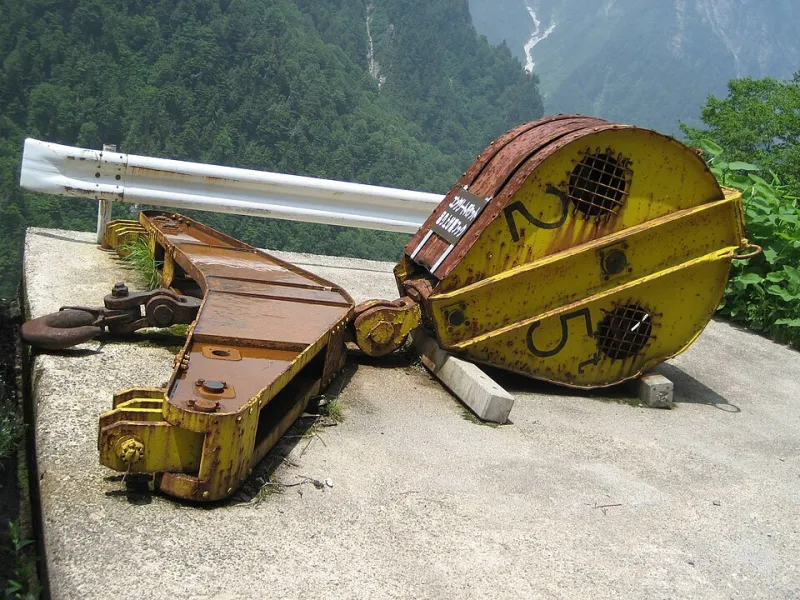
Photo: Qurren, CC BY-SA 3.0, via Wikimedia Commons
The millpond in the small Michigan town where I spent a recent Saturday morning looks, from the shore, like it has looked for a hundred years. Herons work the shallows. Kids drop lines off the old spillway walk. It is the postcard version of a Michigan village.
What you cannot see from the postcard is the structure holding all that water back: a dam built in 1911, classified as high-hazard, inspected irregularly, and owned by an entity with neither the money nor the mandate to fix it. The people living below it — the ones whose addresses sit inside the mapped inundation zone — mostly do not know they are downstream of anything at all.
The Water Bill Nobody Gets
Michigan is defined by water, and we talk about it constantly — the Great Lakes, the fishing, the beaches. What we almost never discuss is the machinery underneath: more than a thousand regulated dams across the state, a large share of them past their design life. Many were built to power grain mills that closed generations ago. The pond remains; the purpose does not.
The American Society of Civil Engineers has repeatedly graded Michigan's dam infrastructure poorly, and the state's own inventory lists dozens of high-hazard structures in need of repair. High hazard does not mean the dam is about to fail. It means that if it does, lives are likely to be lost. Those structures sit above neighborhoods, campgrounds, and school bus routes in communities from the Thumb to the western lakeshore.
Here is the part that should offend every Michigan family: the state has historically had only a handful of full-time dam safety engineers responsible for inspecting a portfolio that size. The math has never worked. And when the state falls behind, the gap gets filled by retirees, watershed council volunteers, and lake association members with clipboards — dedicated people doing their best, but not a substitute for a funded public safety system.
Midland Was the Warning
In May 2020, the Edenville and Sanford dams failed after days of rain, and ten thousand people in Midland County evacuated in a pandemic. The failure had been foreseen — regulators had flagged problems at Edenville for years. The dam's license had even been revoked. And still the water came down.
We treated it as a one-off, a freak convergence of storm and neglect. It was neither. It was the predictable output of a system in which responsibility is scattered among private owners, absent owners, and understaffed agencies, and in which the cost of prevention always loses to the cost of everything else on the docket.
The families who evacuated Midland did not experience an engineering footnote. They experienced a failure of governance — the same kind of failure that leaves lead in a tap in Flint, or a basement flooded for the third time in a decade in a Dearborn neighborhood with storm drains built for a climate that no longer exists.
Why This Belongs in a Families First Agenda
Opponents will say dam safety is a technical matter for specialists. I reject that framing, and I would ask you to reject it too. Everything the Families First agenda stands for comes down to a simple test: does the state keep its basic promises to the people who live here?
A safe home. Clean water at the tap and the floodplain. The confidence that the government has accounted for the risks it knows about. When a century-old structure sits above a family's house uninspected, that promise is broken — quietly, until the day it isn't.
That is why our platform includes a dedicated water infrastructure commitment: fully staffing dam safety inspection so no inspector is responsible for three hundred structures; a state financing mechanism — low-interest and forgivable loans — so small towns and cash-poor dam owners can repair or remove hazardous structures; mandatory disclosure to every property owner inside an inundation zone, because people deserve to know the risk they carry; and a prioritized removal program for dams whose only remaining job is failing. Removal is not defeat. Restoring a free-flowing river is often the cheapest, safest, and most ecologically honest option available.
The Volunteers Are Telling Us Something
The most sobering conversations I had that Saturday were not with engineers. They were with volunteers — retired teachers, a hardware store owner, a kayaker who maps erosion on his own time — who track water levels and file reports because they no longer trust that anyone else is watching.
Volunteers are a treasure. They are also a symptom. A state that relies on unpaid vigilance to prevent a catastrophe has made a choice, whether or not it ever voted on it. Michigan families downstream of those dams have inherited that choice without ever being told it was made.
We can make a different one. Fund the inspections. Fix or remove the dams. Tell people the truth about what sits above them. That is not an engineering agenda. It is what government owes the family at the kitchen table — and under a Families First legislature, it is a debt we intend to pay.