Empty Chairs at Thanksgiving: A Stay-State Case for the Next Michigan Generation

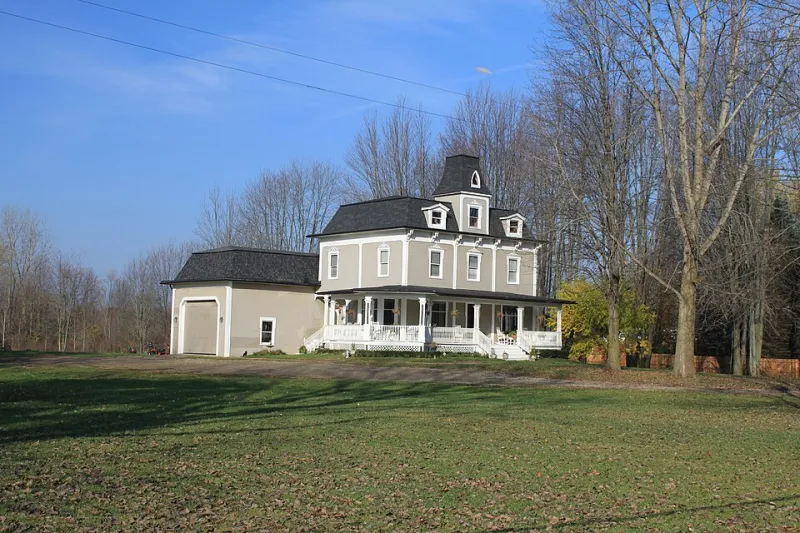
Photo: Chenspec, CC BY-SA 4.0, via Wikimedia Commons
There is a particular ache familiar to thousands of Michigan households, and it shows up every November. The table is set. The recipes are the same ones from decades past. But the chairs for the grown children stay empty — because they are in Chicago, in Columbus, in Denver, in Nashville, building lives in cities that figured out something Michigan forgot.
We have come to call it brain drain, as if it were weather. It is not. It is a series of decisions, made one young person at a time, and each decision was rational given what we offered them.
The Exit Interview Michigan Never Conducts
Ask the young graduates who left, and the answers are rarely about the cold or the scenery. They are about arithmetic. A first job offer in another city came with a salary that made the student loans manageable. A starter home there was within reach, while back home the prices climbed faster than local wages. Childcare in Columbus cost less than what two Michigan incomes could barely cover.
And underneath the arithmetic sat something softer but just as decisive: a sense that Michigan's leaders were managing decline rather than building a future. Young people can tell when a state is treading water. They leave water that isn't rising.
What the Grandparents Know
Meanwhile, the people who stayed — the ones who worked the lines, taught the classes, ran the hardware stores — watch their grandchildren grow up on video calls. They know exactly what the state is losing, because they know exactly who left: the nurse from Flint, the engineer from Kalamazoo, the teacher from Traverse City who loved it here but loved a livable paycheck more.
This is not sentimentality. It is a balance-sheet problem. Every graduate who boards a one-way flight takes their tax contributions, their entrepreneurship, their future children's enrollment numbers, and their energy with them. Michigan has been running the largest quiet export operation in the country, and the product is its own young people.
The Families First Answer
The Families First Agenda was built for exactly this problem, because it was built by listening to the people who left and the families they left behind. Its pieces fit together into what we might call a stay-state strategy:
- Housing that works for starters. Zoning reform and starter-home construction incentives so that a first house in Michigan is a first house in Michigan, not a fantasy.
- Childcare within reach. Expanded subsidies and provider support, because no young family stays in a state where daycare costs more than the mortgage.
- Wages that keep pace. A genuine minimum wage trajectory and support for the care economy — jobs that anchor people to communities rather than shipping them to coastlines.
- Student debt relief with a Michigan address. Loan forgiveness for graduates who live, work, and pay taxes here for a defined commitment.
- Third places and transit. Walkable downtowns and reliable regional transit, because the generation we lost chose cities that offered connection, and we must offer the same.
None of this happens by accident, and none of it happens without a legislature willing to treat retention as seriously as it treats corporate recruitment.
A Checklist for Making Michigan a Stay State
If you have an empty chair at your table, here is what you can do before the next election:
- Ask every candidate how they would measure — and reverse — the out-migration of young adults. Demand specifics, not nostalgia.
- Support the Families First Agenda by volunteering, hosting a kitchen-table conversation, or sharing it with the young people in your life.
- Vote early and bring a friend. Turnout among older Michiganders is strong; turnout among the under-35 voters who most need this agenda is not, and your encouragement travels further than any mailer.
- Call the young people who left. Tell them Michigan is becoming a place worth coming back to — and then help us make that true.
The Chairs Don't Have to Stay Empty
Michigan's story has always been one of reinvention. The generation now raising families elsewhere did not stop loving this state; they simply found no room in its economy for the lives they wanted to build. The Families First Agenda exists to build that room.
Imagine the next Thanksgiving, when the empty chairs are filled again — not for a holiday visit, but because home finally made sense again. That is not a dream. It is a policy platform. And it starts with how you vote this fall.