Five Fixes Lansing Owes Michigan Families: A Day-One Accountability Checklist

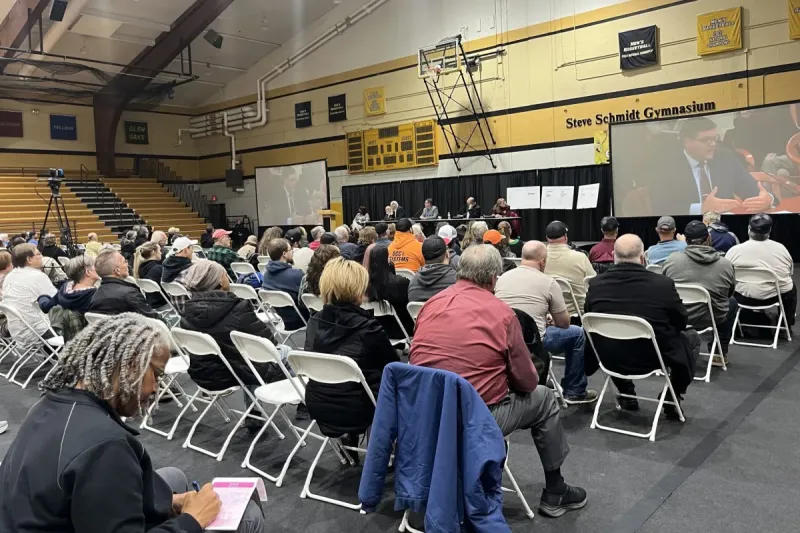
Photo: w_lemay, CC BY-SA 2.0, via Wikimedia Commons
Campaign platforms are usually written to be forgotten. They are long on values and short on verbs. This article is the opposite: a specific, checkable list of five Michigan laws and regulations that quietly drain working families, what the fix looks like, and how you — the voter — can verify whether it happened.
Print it. Bookmark it. Bring it to a town hall. Accountability is a two-way contract, and this is our half of it.
1. End Auto Insurance Rules That Penalize Where You Live
The problem: Michigan drivers have long paid some of the highest premiums in the nation, and a significant driver of that is how rating factors allow ZIP-code-based pricing that punishes urban and working-class neighborhoods regardless of driving record. A safe driver in Detroit can pay double what an identical driver pays in a suburb.
The household cost: Hundreds to more than a thousand dollars a year for the same coverage.
The fix: Legislation restricting non-driving-based rating factors, requiring premium transparency, and empowering the Department of Insurance and Financial Services to audit carriers for geographic discrimination.
How you'll know it worked: Rate filings become public and searchable, and urban premium averages close the gap with state averages within two years.
2. Cut the Licensing Red Tape Strangling Microbusinesses
The problem: Occupational licensing requirements in Michigan frequently exceed what consumer safety demands — barbers, child care providers, contractors, and food entrepreneurs can face months of waiting and hundreds of dollars in fees before earning their first dollar.
The household cost: Delayed income for the entrepreneur, higher prices for the customer, and fewer services in underserved communities.
The fix: A universal license recognition act honoring valid out-of-state credentials, plus a sunset review of every licensing board with a mandate to justify each requirement with safety evidence.
How you'll know it worked: Median license processing time drops below 30 days and reciprocity becomes the rule, not the exception.
3. Index the Child Care Assistance Threshold to Reality
The problem: Eligibility income limits for state child care assistance have been set so low that a modest raise can cost a family more in lost subsidies than it gains in wages — a trap that keeps parents out of the workforce.
The household cost: A parent working fewer hours, or leaving the labor force entirely, because the math punishes ambition.
The fix: Statutory indexing of eligibility thresholds to median income and automatic transition periods so a raise never triggers an instant cliff.
How you'll know it worked: Caseload data shows parents entering, not exiting, the program after wage increases.
4. Require Public Reporting of Corporate Tax Incentive Outcomes
The problem: Michigan has committed billions in incentives to corporations with limited public accounting of jobs actually delivered. Families bear the opportunity cost of every dollar that does not reach schools or roads.
The household cost: Underfunded classrooms and deferred infrastructure in exchange for promises that are rarely audited publicly.
The fix: Clawback provisions as the default in every incentive agreement and a public annual scorecard of jobs created per dollar committed.
How you'll know it worked: The scorecard exists, is searchable, and recaptured funds flow to school aid.
5. Reform Utility Shut-Off Rules to Protect Families Year-Round
The problem: Seasonal shut-off protections exist, but families outside the protected windows face sudden disconnection with limited notice flexibility and burdensome reconnection fees.
The household cost: Reconnection fees and lost wages for families one emergency away from crisis.
The fix: Extended medical and hardship protections, capped reconnection fees, and mandatory payment-plan options before disconnection.
How you'll know it worked: Disconnection statistics are published quarterly and reconnection fee caps are enforced.
Hold Us to It
These five fixes will not solve everything. But they are concrete, they are measurable, and they cost the state less than the status quo drains from family budgets. If you vote for K. Henry, this list is the down payment on trust — and if we falter, you now have the checklist to say so.