An Open Invitation: How Every Michigander Can Keep Their State Representative Honest
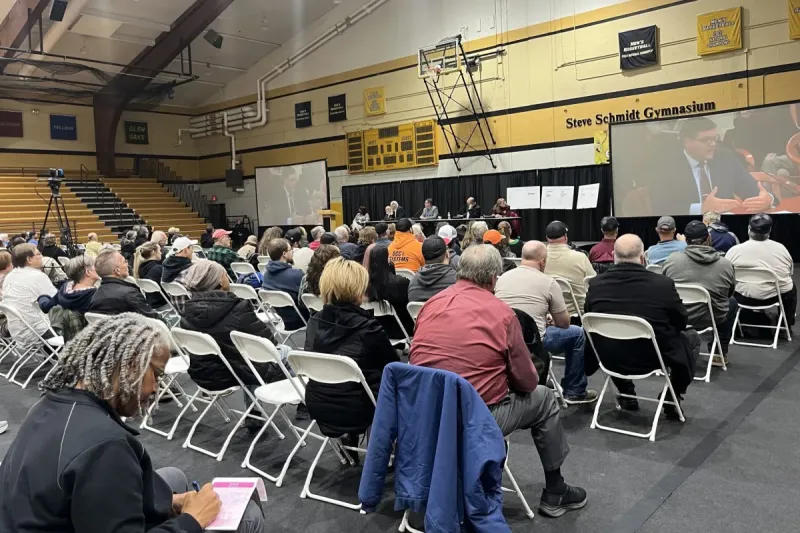
Photo: Michigan citizens attending a town hall meeting raising hands asking questions, via muskegontribune.com
Scrutiny Is Not Cynicism — It's Citizenship
Every two years, Michigan voters are asked to make a promise of their own: to hold whoever wins office accountable for what happens next. Too often, that promise fades by spring. The legislature meets, votes happen in committee rooms most constituents never see, and the distance between Lansing and the kitchen table grows.
It doesn't have to. This campaign was built on a simple belief — that families deserve a government that welcomes their scrutiny rather than dodging it. So rather than asking for your trust, we are handing you the tools to verify it. Here are five practical ways to keep your next state representative honest, starting the day they take the oath.
1. Track the Votes Yourself, Not Through Spin
Every bill, amendment, and roll-call vote in the Michigan Legislature is a matter of public record on the legislature's official website. Set a monthly reminder, look up how your representative voted on the issues that touch your household — school funding, healthcare access, utility regulation — and compare those votes to the promises made on the campaign trail.
A press release tells you what a politician wants you to believe. A voting record tells you what they actually did. Trust the record.
2. Show Up Where Decisions Are Made
Town halls, coffee hours, and district office visits exist for a reason, and their power lies in the fact that so few constituents use them. A legislator who faces twenty informed neighbors asking pointed questions behaves very differently from one who never does.
When you attend, come prepared with one specific question tied to a specific bill. Specificity is what turns a town hall from a photo opportunity into an accounting session. And if public forums are scheduled at inconvenient hours, say so — loudly. Accessibility is part of accountability.
3. Put Commitments in Writing Before the Election
Before you cast a ballot, ask every candidate for their top three legislative priorities in writing. Then save the response. Candidates who hesitate to put commitments on paper are telling you something. Candidates who do respond have, in effect, signed a contract with their district — one you are fully entitled to enforce.
This campaign welcomes that practice enthusiastically. Our Families First platform is public, detailed, and written to be measured against.
4. Follow the Money and the Lobbyists
Michigan's campaign finance filings and lobbyist disclosure reports are publicly accessible, and they reveal whose interests are whispering in a legislator's ear. A representative who campaigns on lowering costs for families while accepting large contributions from industries that raise them deserves to be asked why — in public, with the receipts in hand.
You do not need to be a researcher to do this. Advocacy organizations across Michigan publish simplified summaries of who funds whom. Ten minutes of reading per quarter is enough to stay informed.
5. Grade the Delivery, Not the Rhetoric
At the end of each legislative session, ask three questions: What kitchen-table promises were kept? What bills were introduced that matched them? What measurable difference did they make in your community?
Holding office is not a performance review of press conferences. It is a delivery review of outcomes — whether the paycheck stretches further, whether the local school has what it needs, whether your neighbor's hospital stayed open.
A Standing Invitation
We offer this list without reservation because we believe campaigns should compete on transparency, not obfuscation. If you hold the next state representative to these five standards — whoever they are — Michigan wins.
And if K. Henry earns the honor of serving this district, consider this our pledge in advance: we will publish our priorities, track our own record, and expect you to check our work. That is not a vulnerability. That is the entire point of public service.