Porches, Not Polls: The Conversations That Rewrote Our Platform
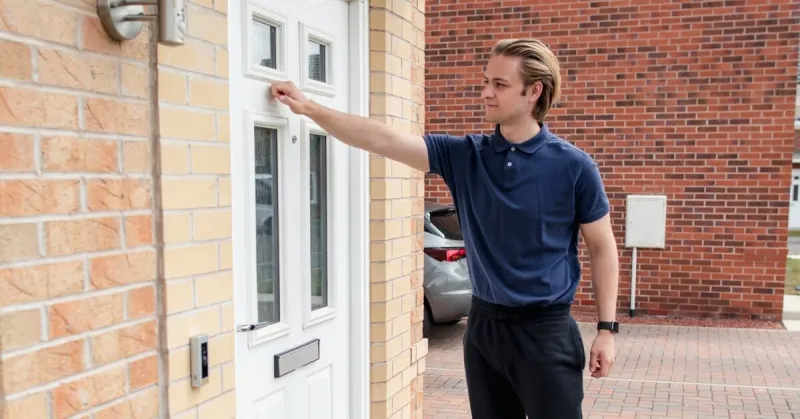
Photo: political candidate knocking on front door canvassing neighborhood, via www.ngpvan.com
There is a particular silence that falls after a door closes behind you. You have thirty seconds — sometimes thirty minutes — and then it shuts, and you are left standing on a porch in Dearborn or Battle Creek or Sault Ste. Marie, holding a walksheet and a thought you didn't have before you knocked.
For the past year, most of my Saturdays have ended that way. Not at fundraisers. Not in strategy sessions. On porches, in the cold, in the rain, in the brief and glorious stretch of Michigan spring when everybody finally opens their storm door.
What the Walksheet Doesn't Capture
A canvass walksheet is a blunt instrument. It tells you the party history of a household, whether they voted in the last two general elections, and a box to check: support, undecided, or no. It does not tell you that the man in Flint who marked "undecided" spent ten minutes explaining that he can afford his mortgage but not the dental work his wife needs. It does not tell you that the woman in Muskegon who checked "support" did so because her grandson moved to Texas for a job that pays what an equivalent position pays here — minus the family nearby.
No poll captured the retired autoworker in Saginaw who said, without anger, that he has stopped expecting politicians to keep promises, and that the only reason he opened the door at all was that I was standing on it rather than buying commercials about him.
Listening as a Campaign Method
Focus groups compress people into soundbites. Polls compress them further, into percentages. But policy written from porches has a different texture, because you cannot listen to a mother describe choosing between a shift and a sick child and then go draft a platform with no paid leave provision in it.
That is not a rhetorical flourish. It is literally how the Families First agenda was assembled. The childcare cost proposal came from a grandmother in Kentwood raising two grandchildren on a fixed income. The rural broadband commitment traces directly to a farmer in Tuscola County who showed me the dead zone at the end of his driveway where his kids have to drive to submit homework. The skilled-trades expansion in our platform began as a fifteen-minute conversation with a journeyman plumber who told me we train young people for everything except the jobs that actually need filling.
The Surprises You Only Get Face to Face
I expected to hear about the economy. I did not expect to hear about it the way I did — not in macroeconomic terms, but in the vocabulary of hours. Hours of commute. Hours of overtime. Hours of childcare that cost more than the wage it enables.
I expected bipartisan distrust of government. I did not expect how many self-identified conservatives would spend twenty minutes advocating for the same family policies I had written into my platform, provided nobody called them by a party label first.
And I did not expect, though I should have, how many people simply wanted to be asked a follow-up question. In a campaign economy built on thirty-second ads, the follow-up question has become a radical act.
Why This Should Change How We Govern
If elected, I intend to keep the walksheet. Not the paper — the practice. A legislator who spends every fourth Saturday knocking doors in their own district, after the election, is a legislator who cannot be surprised by a constituent's letter, because they have already heard the story on the porch where it happened.
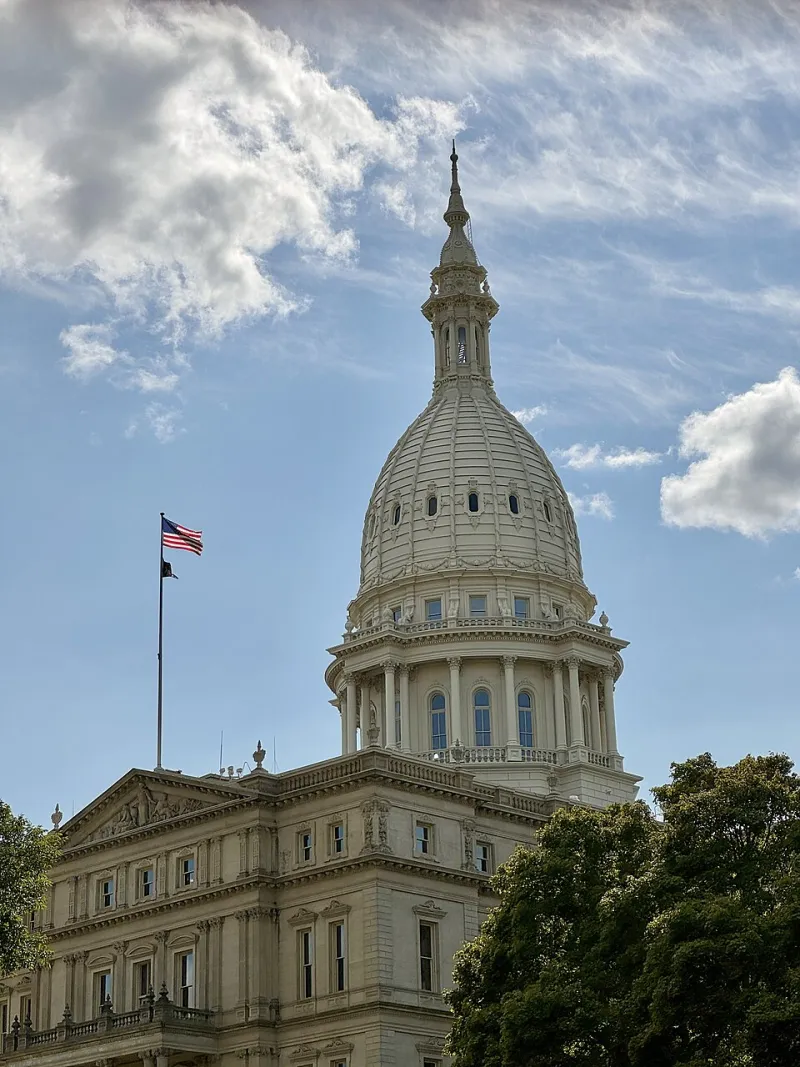
The distance between Lansing and Michigan's kitchens is not measured in miles. It is measured in how many actual conversations a representative has per month with people who cannot afford to lobby. Closing that distance is not a slogan on this campaign. It is a scheduling commitment.
So when someone asks how we built our platform, the honest answer is this: we didn't build it. We collected it — one porch, one story, one follow-up question at a time. Michigan already knows what it needs. What it has lacked is someone writing it down.
The doors will keep opening between now and Election Day, and I will keep knocking. Not because canvassing wins campaigns — though it does — but because a government that stops listening eventually stops deserving to lead.